Secret History: A Font with Stories to Tell
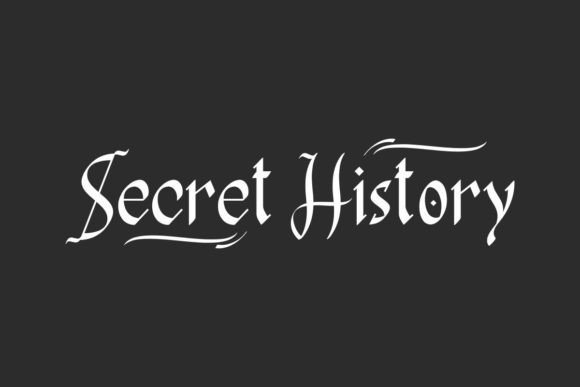
There are typefaces that simply hold words, and then there are typefaces that seem to whisper them. Secret History belongs firmly in the latter category. This isn't just another gothic font; it's a creative asset with a personality forged in the fires of classic cinema and immersive gaming. It carries the weight of ancient European scripts but is subtly shaped by the elegant, flowing geometry of Arabic calligraphy. For designers and creators, this unique blend offers a powerful tool for projects that need to evoke mystery, heritage, and a touch of the exotic.
Understanding the Font's Dual Heritage
At its core, Secret History is a display font built for impact. Its letterforms feature the sturdy, angular bones of a serif font, reminiscent of medieval manuscripts. You'll notice the sharp, chiseled terminals and the strong vertical stress that give it a timeless, authoritative feel. However, look closer, and you'll see the influence of Arabic modern typography. Certain curves flow with an unexpected grace, and the overall texture has an intricate, almost woven quality. This duality is its greatest strength. It doesn't scream for attention; it commands it through a quiet, compelling complexity.
This visual personality makes it a standout choice for brand identity work. Imagine it on the logo for a specialty coffee roaster, a line of artisanal leather goods, or an independent film festival. The font immediately communicates a narrative of craftsmanship, depth, and curated experience. It suggests a brand that values story and substance over fleeting trends. When used in editorial design, it can transform a book cover or a magazine headline, setting a tone that is both classic and intriguingly worldly.
Where Secret History Truly Shines
Knowing where to deploy this premium font is key to unlocking its potential. Its ornamental nature means it's not suited for body text, but as a headline or accent font, it excels across numerous mediums.
In the realm of packaging design, Secret History can elevate a product from ordinary to premium. Picture it on a bottle of spiced rum, a box of gourmet chocolates, or the sleeve of a vinyl record. It adds a layer of perceived value and authenticity. For social media graphics, particularly for brands in the fashion, music, or entertainment industries, it creates scroll-stopping visuals. A single word set in this font can become a powerful graphic element.
Event organizers and marketers will find it invaluable. It’s perfect for creating atmosphere in logo design for a themed gala, a magic show, or a historical reenactment. The font’s inherent drama builds anticipation. For small business owners and crafters, it’s a creative font that adds a professional, artistic touch to gift wrapping stickers, business cards, or website headers for a handmade jewelry shop.
Practical Guidance for Using This Typeface
Integrating a distinctive font like Secret History into your workflow requires a thoughtful approach. Here’s how to get it right.
Evaluate the Project Fit. Start by asking: does the project’s core message align with the font’s personality? If you’re designing for a cutting-edge tech startup, this might not be the right choice. But for a brand steeped in tradition, mystery, or artisanal quality, it’s a perfect match. Always consider your audience. Will they connect with its historical and multicultural aesthetic?
Master the Art of Font Pairing. Because Secret History is so distinctive, pairing it well is critical. It needs a calm, neutral partner to let its details breathe. A clean, geometric sans serif font is often an ideal companion. Use the sans serif for all body copy, captions, and UI elements, reserving Secret History purely for headlines, logos, or pull quotes. This creates a clear visual hierarchy and ensures readability while maintaining stylistic impact.
Test for Readability and Licensing. Always test the font at the size you intend to use it. While legible at larger scales, its intricate details can blur at very small sizes. Check if the commercial font package includes alternative characters, ligatures, or multilingual support—features that increase its versatility. Crucially, verify the licensing. Ensure it covers your intended use, whether for a single client project, unlimited personal work, or broad commercial distribution across merchandise and digital platforms.
Think Beyond the Obvious. Don’t limit yourself to just headlines. Use it for monograms, initial caps, or as a watermark on photography. In web design, it can be used sparingly for section titles to guide the user’s eye. The goal is to use its strength strategically to enhance, not overwhelm, your overall design narrative. When used with intention, Secret History becomes more than a design asset